
Trackside roles are volunteer-based, but it isn’t unpaid in every sense — most events cover meals, and many regions run incentive programs that pay a stipend or gift card per day worked.
Trackside
What is IT
While much of the attention at an SCCA® racetrack event may be on the colorful, curb-hopping, tire-smoking action on the racetrack, at each event there are dozens of SCCA members acting as motorsports artisans crafting the experience to make sure races run smoothly and safely.
The SCCA members who operate in registration, the control tower, technical inspection and on the corners are crucial to the successful organization and execution of events – making them just as much a part of the SCCA Road Races as those who strap into the cars.
These Trackside workers are motorsports enthusiasts who contribute their time and skills because they enjoy being part of the action and supporting the racing community. Many have decades of experience, while others are newcomers learning alongside seasoned mentors. Together, they create this professional environment that allows events to operate safely and smoothly.
In return, they get to experience all the racing action from locations few spectators ever get to see.

Getting Started
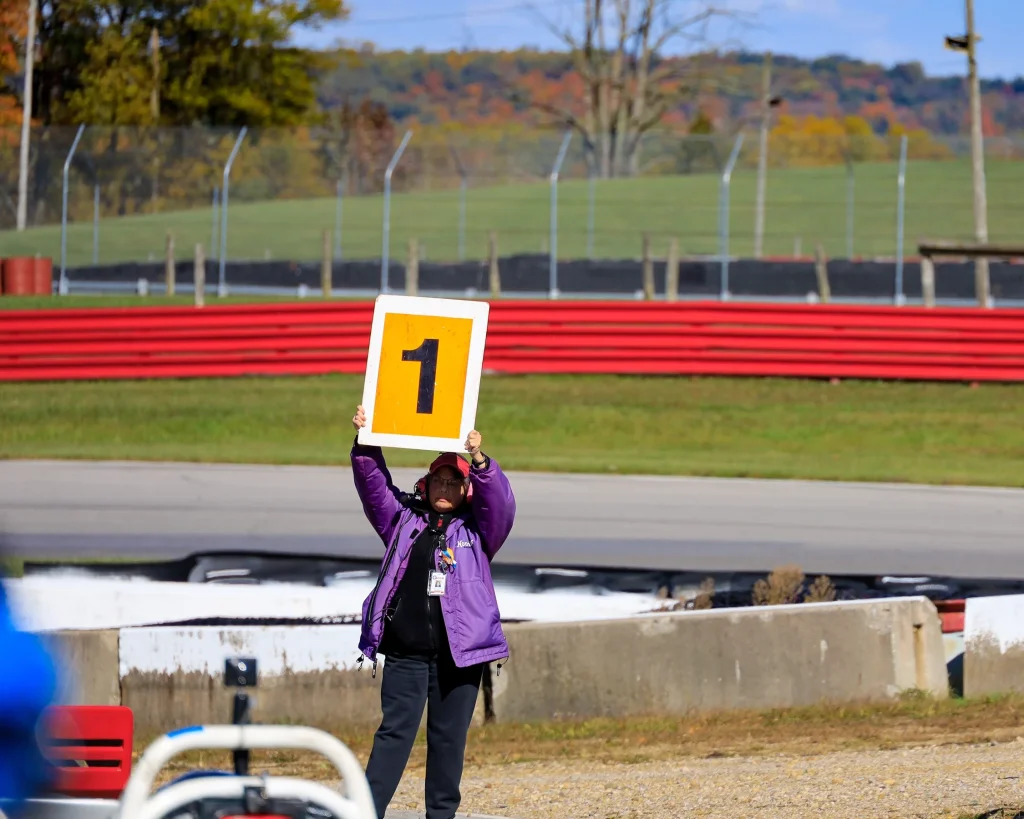
These trackside positions are literally in HOT locations of the track; areas that are active with race operations. Race cars may be traveling at high speeds, entering or exiting the track, or maneuvering in close quarters. Conditions can change instantly, so everyone in a hot area must remain alert and prepared for unexpected situations. This means only authorized personnel are allowed in these areas, and stricter safety precautions are required.
Corner Marshal
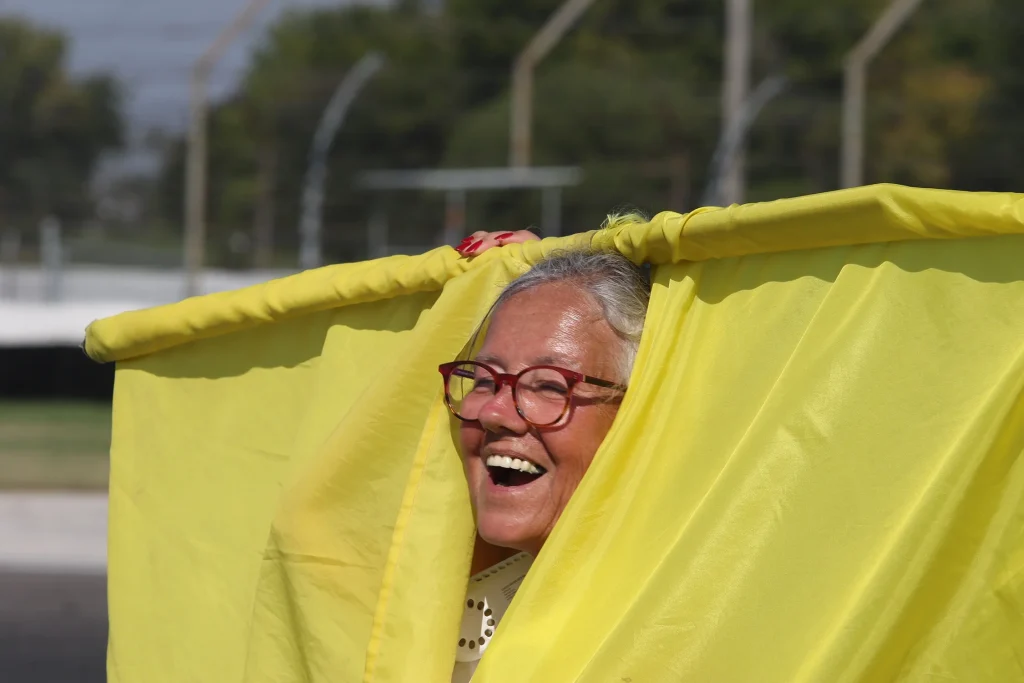
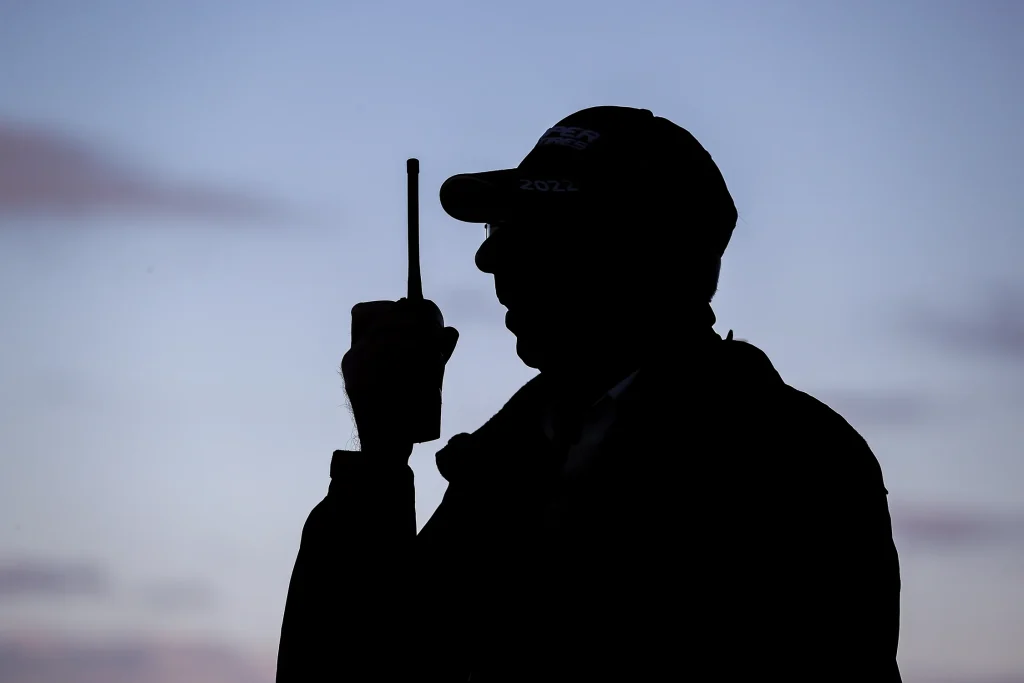
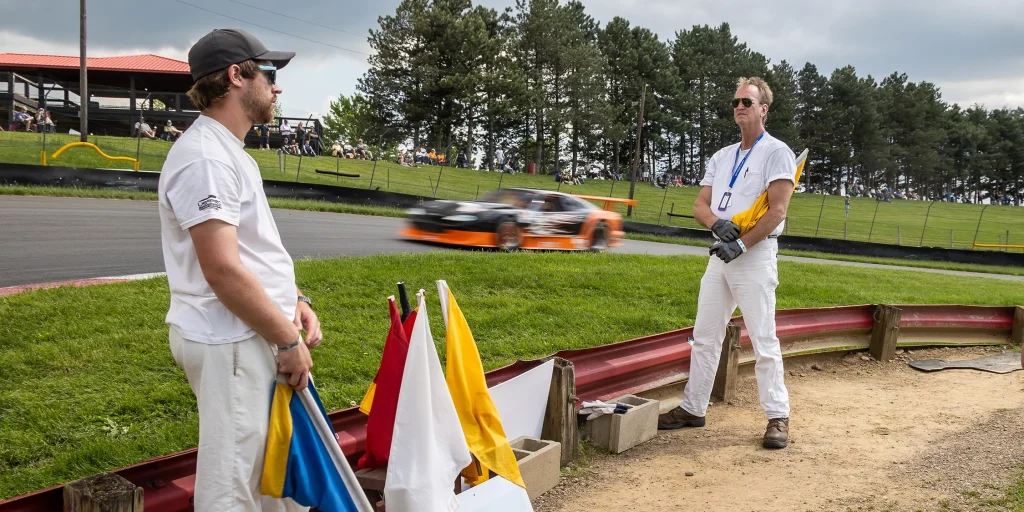
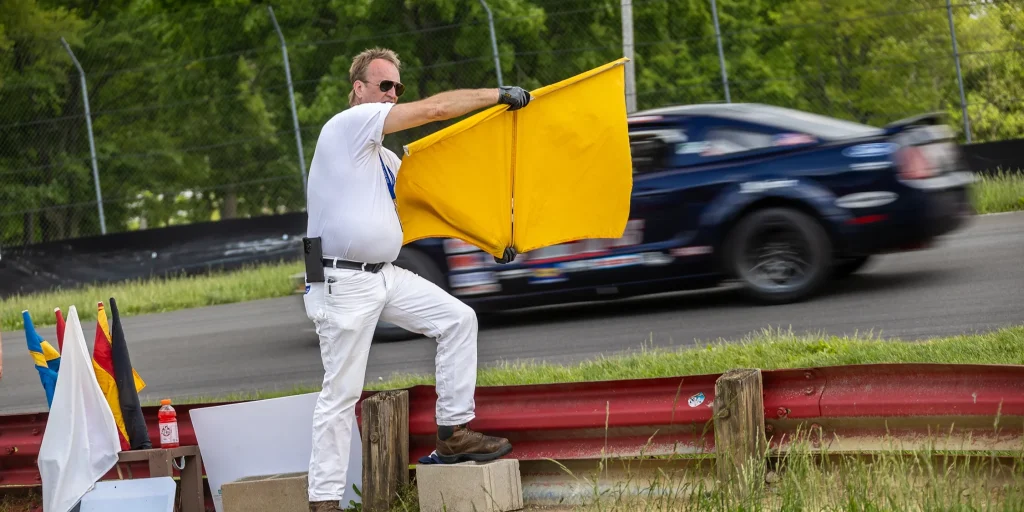
Among the most visible officials at any race. Often called “the eyes and ears of Race Control,” they are also known as “Flagging and Communications.” F&C workers play a critical role in race safety.
- Display racing flags to communicate track conditions.
- Observe on-track incidents.
- Report information to Race Control.
- Monitor driver behavior.
- Help coordinate emergency responses.
In addition to being a keystone at our events, SCCA F&C marshals are also prized for IndyCar, IMSA, NASCAR and FIA events throughout North America and abroad. You can frequently find SCCA members stationed on corner at events like the 24 Hours of Daytona, the Formula 1 Grands Prix in the United States and abroad, and the 24 Hours of Le Mans.
Grid + Pit Lane
Grid workers organize cars before every on-track session, making sure they are ready to go and the final step before drivers take to the track.
- Stage vehicles in starting order.
- Verify driver safety gear readiness.
- Coordinate releases onto the race track.
- Keep the event running on schedule.
Pit Lane marshals ensure the lane stays safe during on-track sessions. Whether it’s assisting a driver without a crew, cleaning up a mess left by a disabled car, or wishing drivers good luck as they leave for their race, SCCA members on pit lane see a variety of action.
Starter
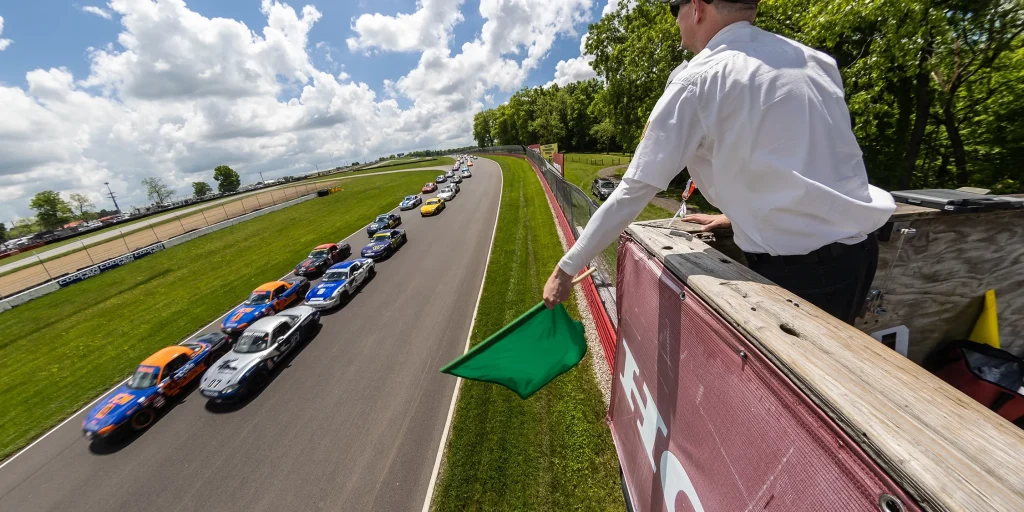
Some of the most critical and celebrated moments of a race are starts, restarts, and the famous checkered flag. Before a driver can hear, “GREEN! GREEN! GREEN!” over the radio or drive under the checkered flag, it’s the starter making sure it can happen.
- Verify that the field is properly formed before the start.
- Observe the pace lap or formation lap.
- Display the appropriate flags and start signals.
- Initiate the race with the green flag when authorized by Race Control.
- Conduct race restarts following caution periods.
- Display the checkered flag to signal the end of the race.
Emergency Services
Emergency Services teams respond to on-track incidents and work alongside local medical and fire personnel to provide rapid assistance whenever needed.
- Remove stranded vehicles from the track.
- Clean up track debris by sweeping or vacuuming loose material.
- Applying absorbent materials to oil, coolant, or fuel spills.
- Assisting with barrier repair before racing resumes.
- Assess driver condition and provide initial assistance until medical personnel arrive.
photos
The COLD zones of a track are generally safe for unrestricted use, and all normal event rules apply. There are no additional safety rules and they are often open to all competitors, crew and spectators.
Registration
The ambassadors to SCCA events. “Registrars” are the first smiling faces people see when arriving at the track.
- Make sure entry lists are ready to go before the event
- Verify membership, licenses and credentials
- Issue wristbands and passes
- Obtain signed waivers
- Answer questions and provide directions
Timing & Scoring
No one can set a lap record, sit on the pole, or win a race without someone there to time cars, count laps and score finishes. This used to be done with stopwatches, pencil and paper. Now it’s computers, timing lights and transponders. Computer-savvy or not, there’s a place for everyone to pitch in at the Timing Tower.
- Monitor electronic timing systems
- Verify finishing positions
- Calculate championship points
- Publish official race results
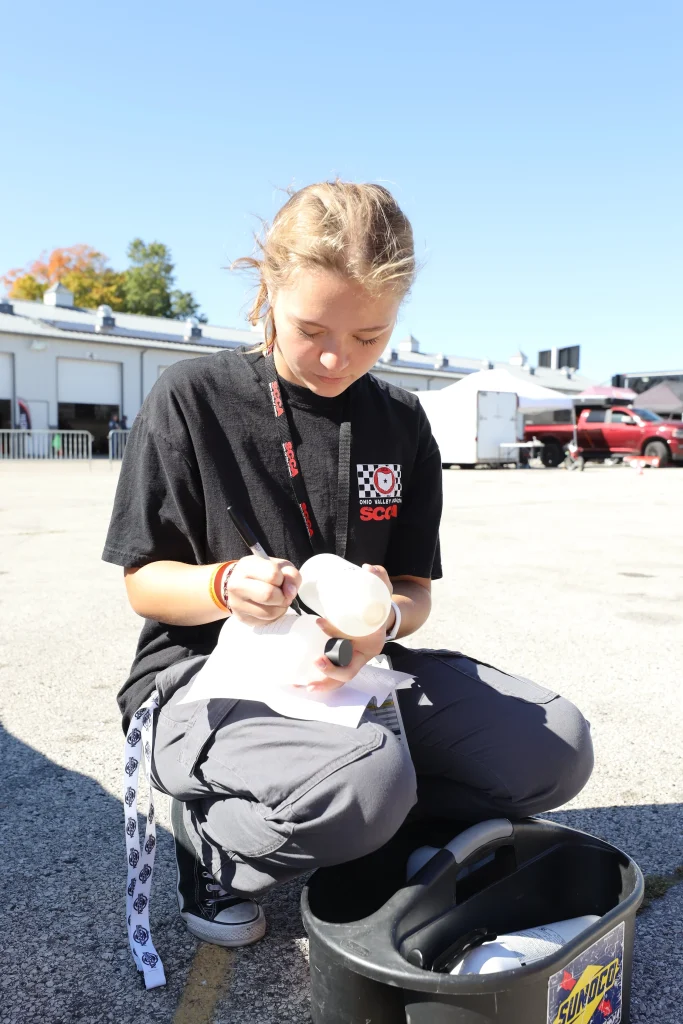
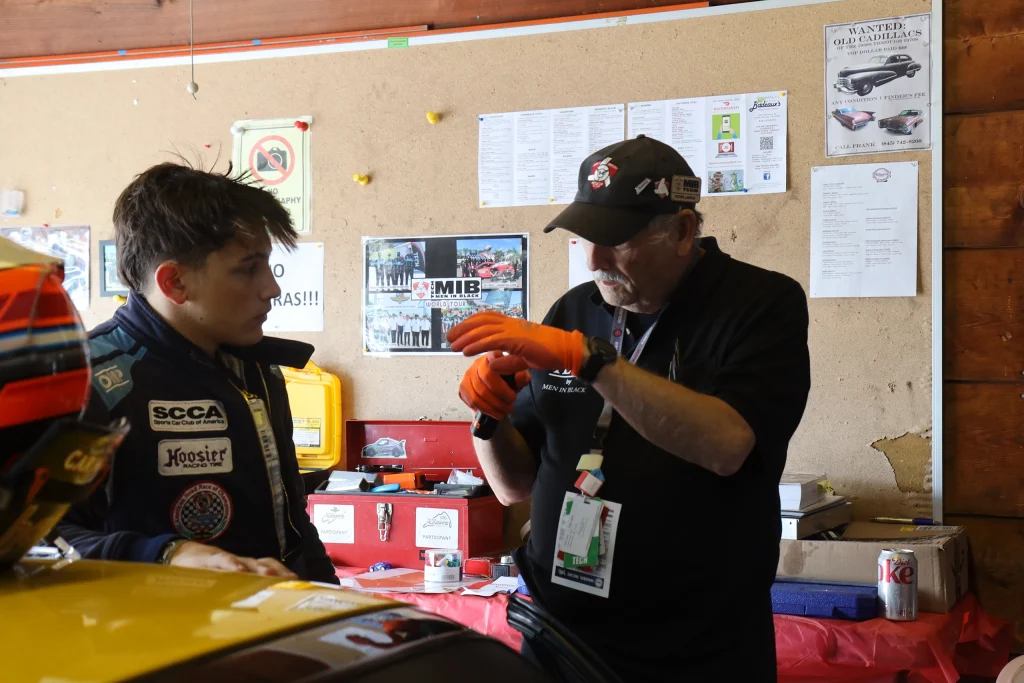
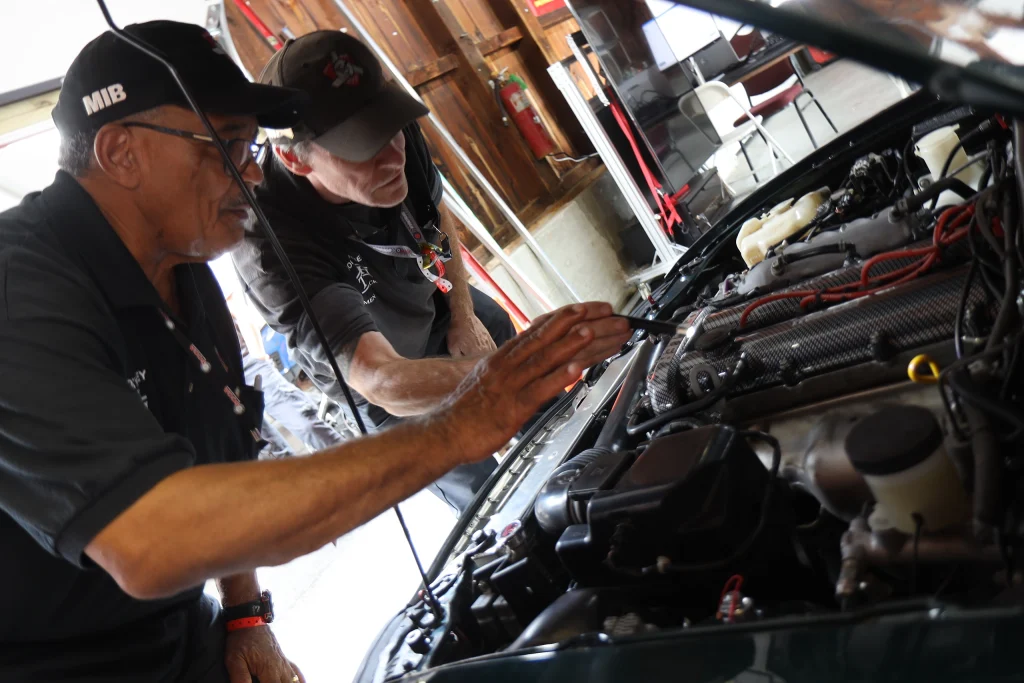
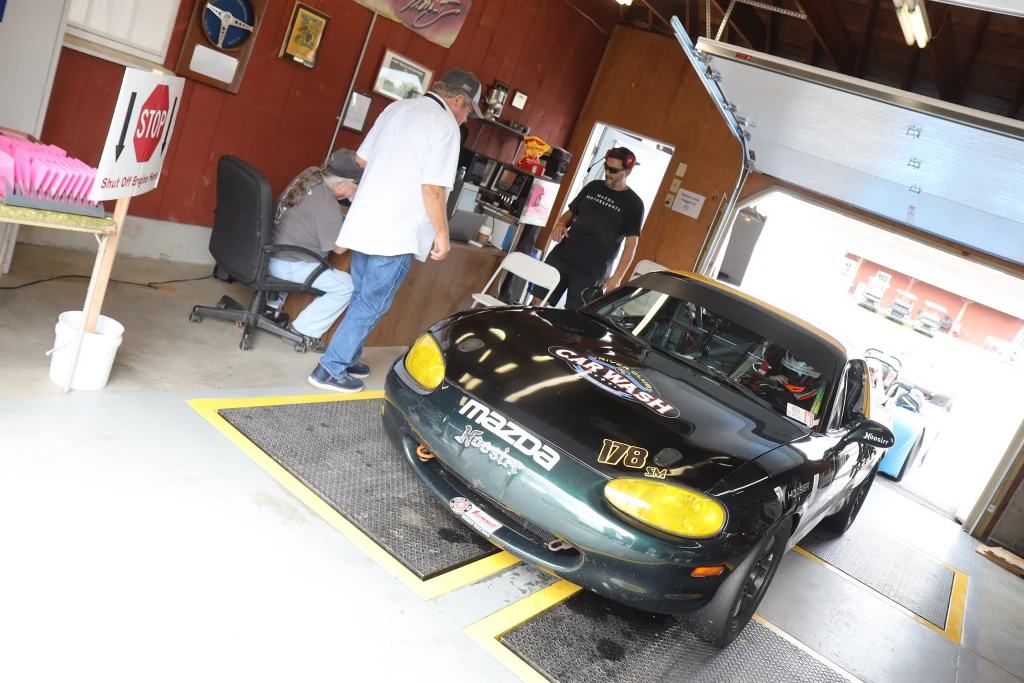
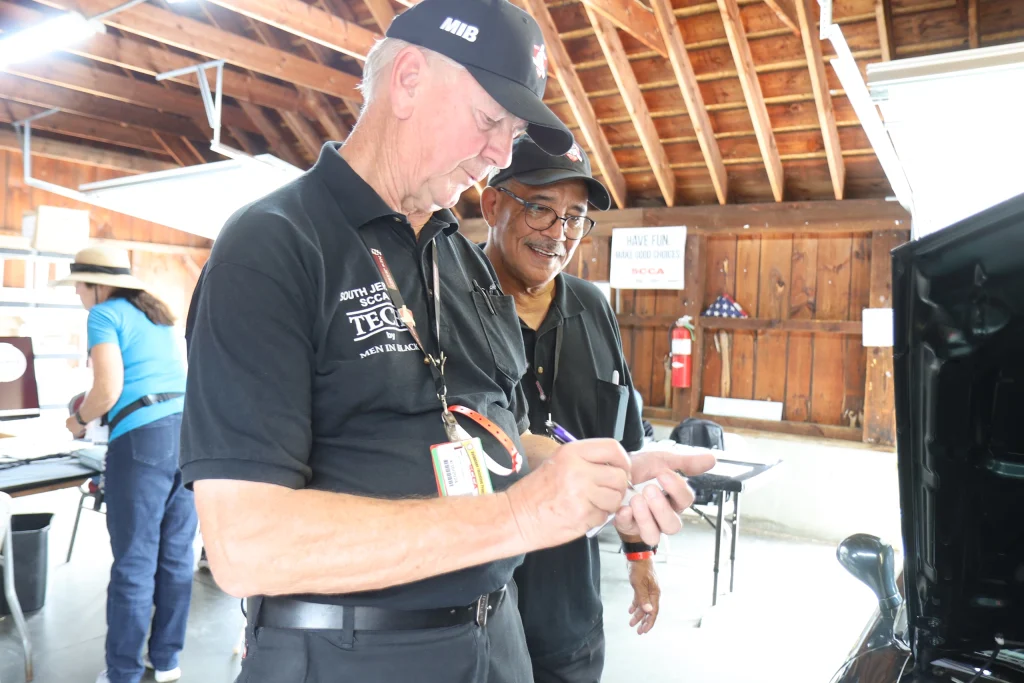
Technical Inspection (Tech) & Scruitineering
Other than the drivers and crew, these SCCA members are the most hands on with the cars. “Tech” inspectors know and understand cars and rules, and ensure every race car complies with SCCA safety and class regulations.
- Driver safety equipment
- Vehicle safety systems
- Class legality
- Post-race technical compliance
Stewards
These officials are like referees. They’re responsible for keeping the event on schedule, making sure the rules are followed both on- and off-track, and calling the shots if something at the event goes a little sideways.
- Apply SCCA competition rules
- Manage race operations
- Resolve on-track incidents
- Conduct driver meetings
- Coordinate event schedules
Many stewards have spent years as a driver or marshal in other specialties before moving over to this leadership and advisory role. Starting out as a Flagging & Communications marshal or a driver is a great way to gain experience before starting your stewarding journey.
Race Administration + Others
Race Admins help keep the entire event rolling in the correct direction. A variety of event tasks fall under the purview of race administration, and the event’s Race Chair is responsible for ensuring these, and many more tasks, are fulfilled to ensure success.
- Planning the event with the assistance of other leaders
- Ensuring supplies and equipment are available for each volunteer specialty
- Coordinating provided meals and social gatherings
- Interfacing with the track and track service providers on operational needs
Some volunteer specialties don’t have licenses, but are no less important. Depending on the event, some of these roles become quite vital for safe and efficient execution.
- Paddock Marshals
- Sound Control Marshals
- Data Acquisition Marshals
- Pace Car Drivers
- Course Marshals
photos
Get Started
With a few exceptions, the only requirement to get Trackside at an SCCA Road Racing event is an SCCA membership. If you’re not sure this is for you, we have a no-cost weekend membership option for your first event.
SCCA prides itself on creating a welcoming environment and offers On-The-Job training to anyone looking to get involved and support Trackside operations. Every Specialty Chief will pair a newcomer with a seasoned mentor to provide hands-on training and experience.
SCCA offers online training modules to help lay the foundation before arriving at an event, making getting up to speed easier. For example, the 90-minute F&C Certification Course teaches flag differences, policies, and track communication. These are available to members in the “My Learning” section of the member portal.
More on Flagging
What Is Flagging?
Flagging is a great place to start for road racing, no matter which side of the wall you want to be on! Whether you want to be a driver, or be an IMSA Corner Marshal, SCCA flagging is an easy way to get in on the action. With us, you will learn a variety of skills that will help you in the future. For drivers, its great to learn about flags, flag conditions, and what flaggers actually see before getting behind the wheel. For someone looking to get into higher levels of motorsports flagging, we can help you gain much needed skills and experience to deal with tough trackside situations.
The SCCA Volunteer Incentive Program (VIP) is a program designed to recognize and reward members who volunteer at SCCA-sanctioned events. It provides membership discounts to those who donate their time in Trackside operations.
Members earn VIP credit by working eligible SCCA events. Trackside participants must self-report their participation through their SCCA member account so the days worked can be recorded and applied toward future membership renewal discounts. These can total up to $45 for more than 12 days worked in a calendar year.
The News
Events
Trackside assignments and responsibilities are managed by the Specialty Chiefs for the Region hosting the event. Some events allow Trackside workers to register in advance for a certain specialty. When in doubt – just show up. Chiefs will gladly make assignments the day of, and have never turned away a willing Trackside volunteer.
Regional Events
- November 14 to 15, 2026
- Homestead, FL
Florida Region Double SARRC Regional Road Race
- November 28 to 29, 2026
- Sebring, FL
Central Florida Region Regional Road Race
- December 12 to 13, 2026
- Angleton, TX
Houston Region Chili Pepper Double Regional Road Race
- January 16 to 17, 2027
- Buttonwillow, CA
Cal Club Regional and Track Day Buttonwillow Raceway
- January 22 to 24, 2027
- Cresson, TX
Texas Region Polar Prix Majors & Test Day (Pending Approval)
- February 19 to 21, 2027
- Bloomingdale, GA
Buccaneer Region Drivers’ School and Regional Road Race
The Hoosier Racing Tire SCCA Super Tour, U.S. Majors Tour® and the SCCA National Championship Runoffs® draw the Club’s top drivers – and hundreds of its most experienced Trackside volunteers. Working a National event means bigger fields, tighter schedules and the chance to learn alongside Chiefs and specialists from Regions across the country. It’s also where a Regional license grows into Divisional and National credentials that travel with you.
upcoming
- November 7 to 8, 2026
- Buttonwillow, CA
Cal Club Majors (2027)
- January 8 to 10, 2027
- Sebring, FL
Central Florida Region SCCA Hoosier Super Tour
- January 14 to 17, 2027
- Homestead, FL
Florida Region SCCA Test Day, Majors, Regional Road Race (Pending Approval)
- February 20 to 21, 2027
- Buttonwillow, CA
Cal Club SCCA Hoosier Super Tour
- March 5 to 7, 2027
- Braselton, GA
Atlanta Region SCCA Hoosier Super Tour
- March 20 to 21, 2027
- Buttonwillow, CA
Cal Club Majors Road Race (Pending Approval)
Trackside experience with SCCA opens doors well beyond Club racing. IndyCar, IMSA, NASCAR and Formula 1 all rely on SCCA-trained flagging and communications officials. Most of the corner workers at the Rolex 24 At Daytona are SCCA members, more than 100 SCCA volunteers staffed the 2026 Freedom 250 Grand Prix on the streets of Washington, D.C., and SCCA flaggers have worked Formula 1 weekends in Austin, Miami and Las Vegas – all after getting their start at a Regional race.
The path to a pro weekend is the same one you’d take to any SCCA event: earn your certified Regional Flagging & Communications license, work local events consistently, and complete the IMSA F&C Differences course when you’re ready to add professional racing to your résumé. It takes time and commitment – and the best way to get there is to be the volunteer your Region can count on.
FAQs
Do I get paid?
What's the difference between the roles?
Corner marshals (also called flagging and communications or F&C) are stationed around the track watching for incidents and relaying information to the drivers by waving flags and to Race Control by radio. Grid workers line cars up and get them staged for their session. Stewards act as referees, keeping the event on schedule and ruling on incidents. Tech inspectors check cars and driver gear for safety before and after sessions. Registrars check competitors in and issue credentials. Timing and scoring officials track every lap and produce the results. There are several more specialties beyond these — paddock marshal, sound control, race chair — so there’s a fit for almost anyone.
Do I have to be an SCCA member?
Yes. Trackside roles require SCCA membership in good standing, in part because your insurance coverage on course is tied to that membership. However, there are weekend membership opportunities for you to utilize while you’re figuring out if Trackside is for you.
Do I need experience to start?
Not necessarily. Every specialty starts with basic, region-level training, and most regions pair new workers with an experienced mentor for their first few events. You’ll earn a regional license first, then can work toward divisional and national credentials as you rack up event days. Some specialties, like stewarding, require experience in other places before you qualify to start their region-level training.
What is Trackside?
Trackside is SCCA’s umbrella term for the volunteer roles that keep a road racing event running from outside the driver’s seat — flagging and communications, technical inspection, grid, timing and scoring, registration, and event stewarding. If you’ve ever wondered who’s waving those flags, checking your roll cage, or posting your lap times, that’s Trackside.
resources
Scrutineering Forms & Procedures
Use for performing Annual Technical Inspections.
Procedure for checking FV and FF camshafts.
Used for calculating non-Spec Miata compression ratio.
Used for calculating Formula Ford Kent Compression Ratio
List of Seats homologated to the FIA 8855-1999 standard. Also lists the type of supports to be used.
How To Use Pectel DESCProW to Flash and Verify Pectel ECU’s
Template for labeling fuel test bottles (use with 3 1/2″ diskette labels).
Helpful for logging fuel testing results.
Official SCCA Fuel Testing Procedures
Danger – Fuel Testing NO SMOKING
Template for fuel testing result slip for driver.
Helpful for logging inpound results
Helpful for logging inpound results.
Useful for detailing impound plans.
Useful for detailing impound plans.
These are to be sent to the lab with the fuel.
Forms used for sending fuel to the laboratory
Useful for establishing a tear down bond.
Helpful for logging competitors’ weights.
Helpful for logging competitors’ weights.
Required for SCCA fuel testing.
Used for calculating Spec Miata 1.8L compression ratio.
Used with a P&G gauge.
Template for posting track fuel testing results.
Checklist for operation of the Katech Whistler used to measure compression ratio
No posts found
CONTACT US
We’re here to help! Whether you want to get involved or you have a question about Trackside opportunities, you’ve come to the right place. Please feel free to contact us using this form and you’ll get an email from us soon.