

While enjoying a weekend at an SCCA® event, #funwithcars can quickly turn into #funwithtools. Fixing cars is just a reality of motorsports. Pushing vehicles to the limit pushes components to the limit, and “the limit” often means stuff breaks. When stuff breaks, you only have so much time to go into your magical toolbox and make a miracle happen before your next session or run, so having the right tools quickly at your disposal often makes the difference between getting you back into the competition and sitting on the sidelines.
Remember, you can’t win if you can’t even participate.
Here is a list of five tools that I consider crucial during a weekend playing with cars. These are the tools that will help you take that green flag and hopefully cross the finish line first. This list is by no means comprehensive, you certainly need more than five tools in your toolbox. However, I believe these five basic tools should be in every box at the track.
1. Prybar
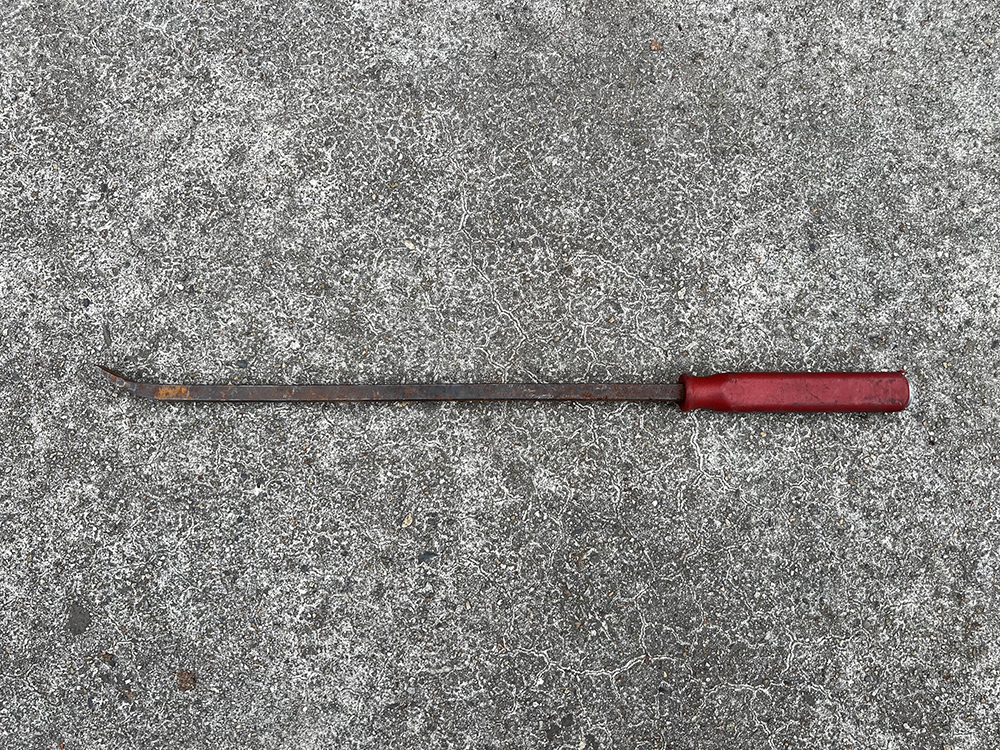
(A simple, large, strong prybar solves a lot of motorsport problems. When you need leverage, this tool is your friend. Don’t overlook it when packing for an event.)
A big pry bar is a tool I ignored in my early days of motorsports. Obviously, I didn’t appreciate physics enough. Now I always have a prybar with me at the track or at the wrecking yard while salvaging parts.
I’ve used a prybar to quickly pull damaged fenders off tires after some car-to-car contact (and was able to get back on track and finish the race). I’ve used a prybar to correctly tighten pully belts. I’ve used a prybar to force suspension components to move in the direction I wanted them to so I could swap in a different spring rate during an autocross weekend. I’ve even de-beaded tires with a prybar at a RallyCross®.
A prybar is your friend. Bring your friend with you on weekends.
2. Large Crescent Wrench
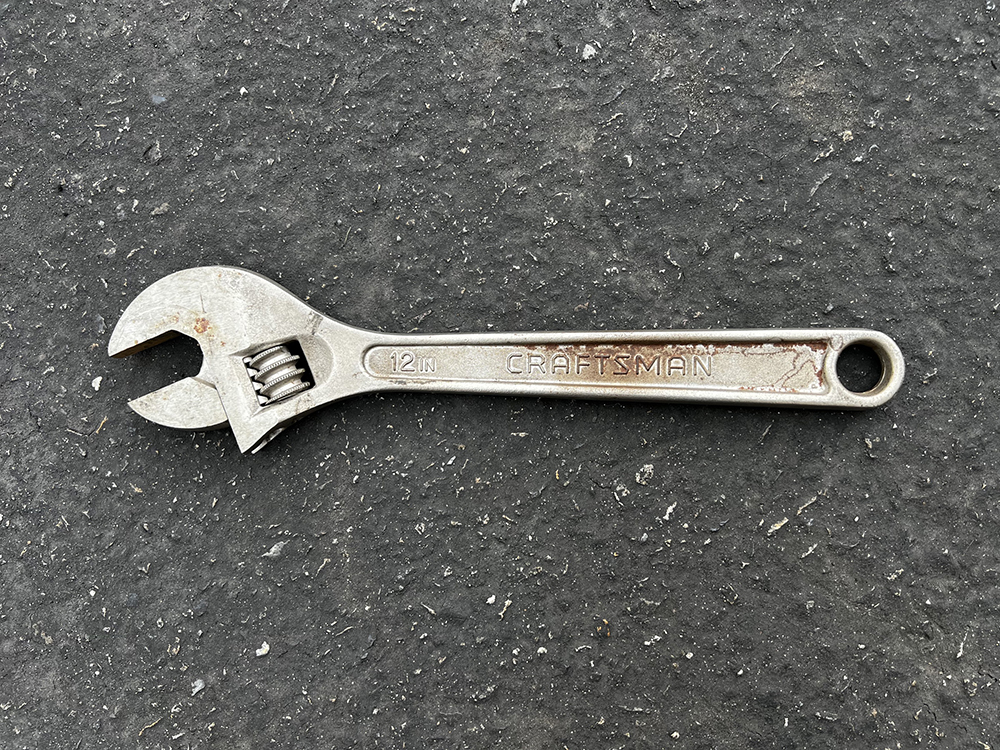
(A large crescent wrench has the ability to be many tools at once. Most importantly it can be the tool you don’t have…or don’t have two of the same size of).
I spent about a decade competing in a 1990 Acura Integra, which means the only tool I really needed to fix that car was a 10mm socket. I’d taken that car apart so many times I knew all the sizes of every bolt by heart. I ensured my trailer had all the correct sized specialty tools to handle anything that car could throw at me. Except for that one bolt — the one I had never seen before which, as luck would have it, was also the one I needed to remove while at the track.
This is where a large crescent can save the day. It’s the wrench size for the size of wrench you don’t have — especially when it comes to suspension and steering components where the bolts sizes are often large (22mm, 24 mm, etc.) and basic toolkits don’t have those sizes.
No matter how many tools I buy, and no matter how many times I think I have all of the sockets and end-wrenches I could ever need for a car project, I find myself holding a large crescent wrench and turning a big bolt I didn’t have the right size socket for.
If you don’t pack a large crescent wrench, you will eventually be out of luck. Bring it.
3. Huge Pliers
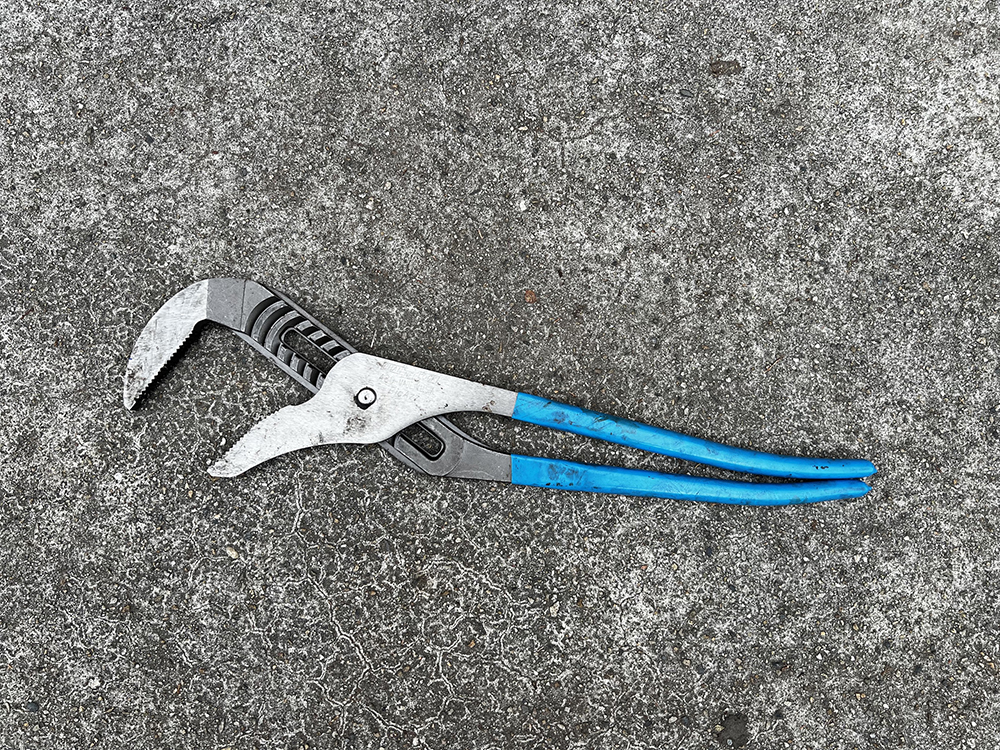
(A big adjustable tongue and groove plier, commonly referred to as Channellocks, is the tool that can grab, hold, and squeeze just about anything.)
You’re probably seeing a theme here: this is a list of “big” tools. And you would be correct! That is because having the ability to use leverage helps you fix stuff.
A large adjustable tongue-and-groove plier can squeeze and twist things (like a pesky oil filter that a gorilla overtightened). These large pliers can also hold things together from a distance while your friend welds them and you look away to save your eyes and attempt not to get burned. If needed, these huge pliers can also substitute as a prybar or a crescent wrench (the two tools previous on this list).
The key here is size: get the biggest ones you can find and fit in your toolbox.
4. Head Light
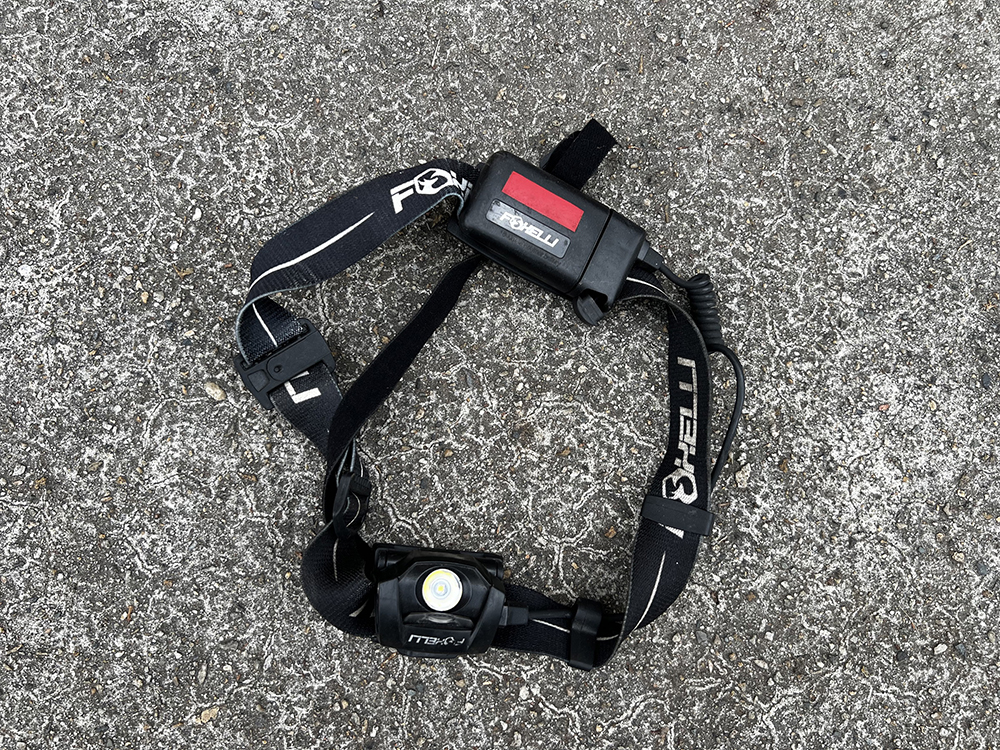
(Being able to see what you’re doing is often overlooked — pun intended. Having a flashlight strapped to the top of your head allows you to use two hands while working on the car.)
A simple USB rechargeable head-mounted light provides two crucial things: (1) You can see what you’re doing while working in a dark area; and (2) you can use two hands to manipulate tools, instead of one hand trying to hold a flashlight (which is probably your phone). Also, a good flashlight that goes on your head is less than $30 online, which is much cheaper than replacing your $800 iPhone after you drop it on the ground or smash it with the big pry bar (item number 1 on this list).
I spent a lot of years doing endurance racing at night, so I’ve always had these simple head lights in my toolbox, but I was surprised how often I grabbed them from my trailer and used them in broad daylight to see behind engines or underneath cars. Plus, you look super cool wearing them.
Also, lesson learned, I’ve personally destroyed an expensive cellphone when I was using it as my flashlight during a car project. Never again!
5. Duct Tape
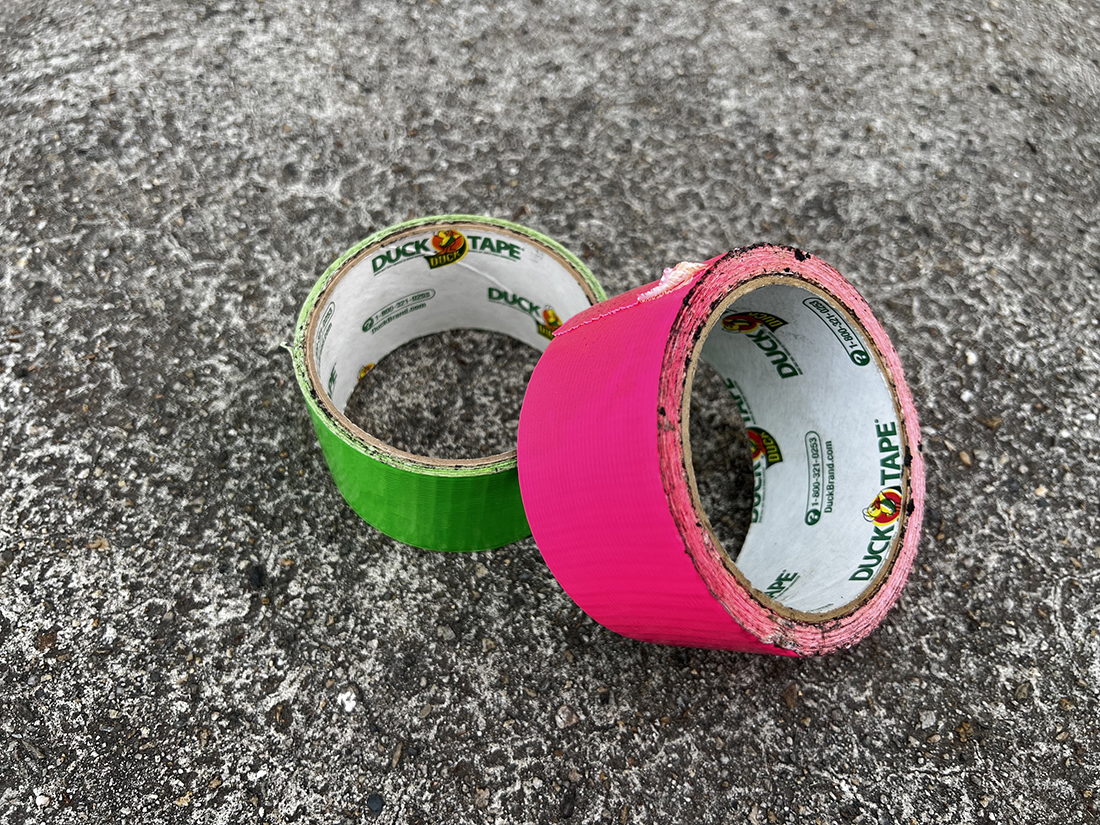
(That’s right, duct tape. Tools fix most things while duct tape fixes all things. Therefore, duct tape is a tool.)
Duct tape, 100mph tape, super tape — call it what you will, I’ve used this stuff to fix hundreds of things. The only thing I’ve never used duct tape for is actual ducting.
I’ve marked pit stalls with it, covered wheel weights with it, and held on damaged bumpers with it. I’ve wrapped it around my hands, sticky side out, and quickly cleaned up metal shavings from a racecar interior after drilling holes. I’ve used it to keep the sole on an old racing shoe (not recommended for fire safety). I’ve secured loose rollbar padding with it. Duct tape solves problems fast, and at events you’re always looking for fast solutions.
Every box should have numerous rolls of different colors of this stuff.
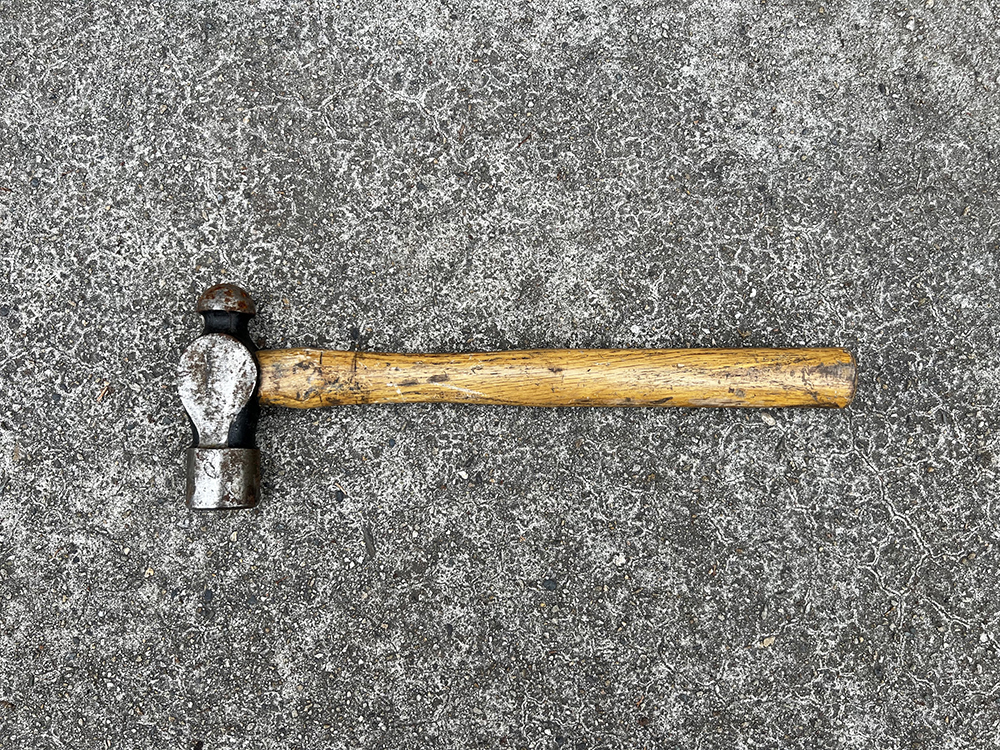
(Bonus Tool: A big hammer. When the five tools listed above don’t work, move on to the big hammer. Watch those fingers, Folks!)
Those are your five simple tools (plus a big hammer, of course) to fix problems. These aren’t the tools you’ll use every weekend, but when you need them (and you will need them), they’ll come in clutch to handle the problems — because this is motorsports, which means problems are coming fast.
(About the author: Rob Krider is a national champion racer, the author of the novel Cadet Blues, and is the host of the Stories and Cocktails podcast.)