In motorsports, if you’re not analyzing data, you’re flying blind. Yet that doesn’t mean race data needs to be complicated. In its most basic form, comparing lap times is a type of data analysis when trying to determine if a tire pressure adjustment or shock setting change made a difference. A more complex setup could involve drivers downloading data after each session, pouring over a half dozen input channels and overlaying that with data from a second driver in order to eke out potential improvements.
Data systems have seen incredible progress over the years, with one of those being something we told you about late last year with a company called Fire Laps that is using data learning to take the complexity out of data analysis, giving racers a deeper understanding of what’s possible in as short a time as possible. What we didn’t get into back then is how real SCCA® racers have incorporated that technology into their race weekends.
Why Not Both?
Fire Laps, an SCCA partner offering discounts to SCCA members, is a driver development platform that takes data acquired while on the track and transforms that into something drivers can utilize in order to go faster in later sessions. This is nothing new. Where Fire Laps deviates from the norm, however, is the company’s software is web based, and the data is analyzed by the racer-developed Fire Laps data learning tool to offer specific insight and tips that can be accessed quickly between sessions on a phone or laptop. It’s not just using your data, either; Fire Laps has access to data from other Fire Laps users, which it uses to build a database of real-world performance it can call upon when offering advice.
Fire Laps works via users uploading their data from an AiM, or by purchasing the Fire Laps data box called Fire Link, which is constantly connected to the internet while in use. The continual 4G connectivity allows Fire Link to upload its data in real time, offering telematics that includes GPS and accelerometer data.
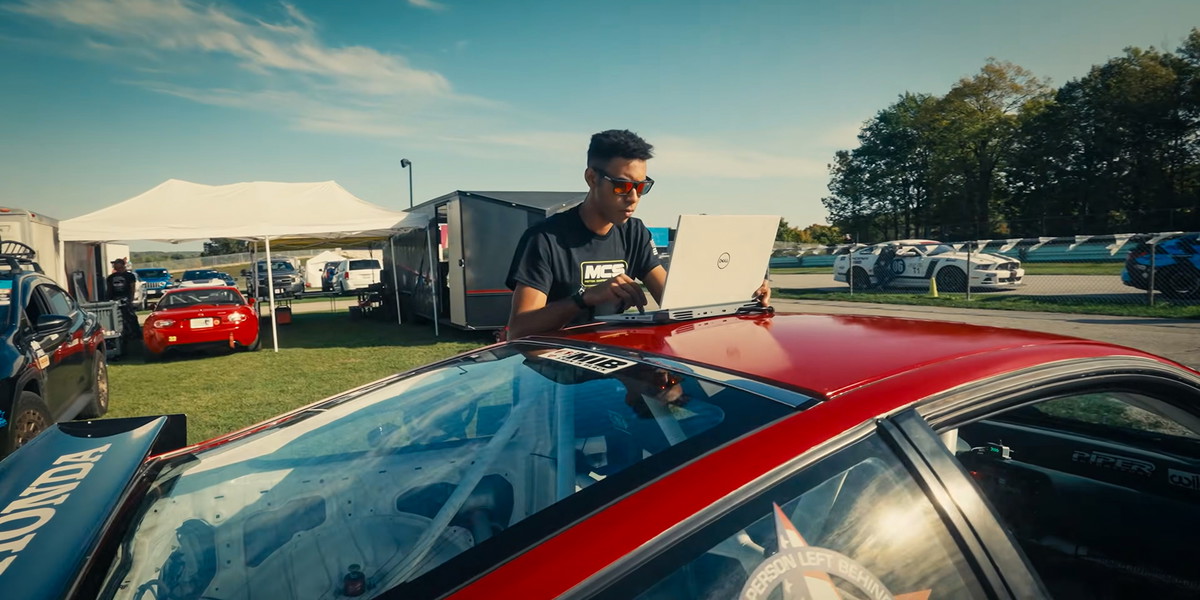
SCCA racer Deacon Greenfield, who we introduced you to last year, utilizes Fire Laps in both ways.
“I use the Fire Link and my AiM data together,” he explains. “In my process, the AiM data works as the facts of the session and Fire Laps gives the direction on how to get there.”
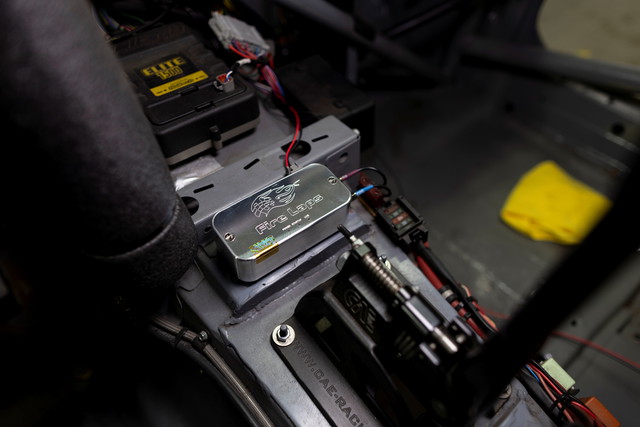
(The Fire Link mounts in the car and uses a 4G antenna to allow others to keep an eye on the driver's and car's performance.)
Greenfield then takes advantage of the live data feature that comes via the Fire Link box, combining that information with radio communication from the paddock. “This function keeps my father – and crew chief – informed on my exact place during a race and he can update me about anything coming up.”
The Fire Link Pro, which is slated to come out later this year, will take the information people like Deacon’s father receive in the paddock one step further, as that model will have the ability to record and transmit CAN data.
Diving In
“The first thing I’ll look at when using Fire Laps are the coaching notes,” Greenfield says of his post-session process. “After every session, the system will place data-guided notes in areas that can be improved, just like a real coach.”
The Fire Laps notes are simple, he says, yet to the point, affording him quick and easy access to tips that might make him faster in the coming sessions.
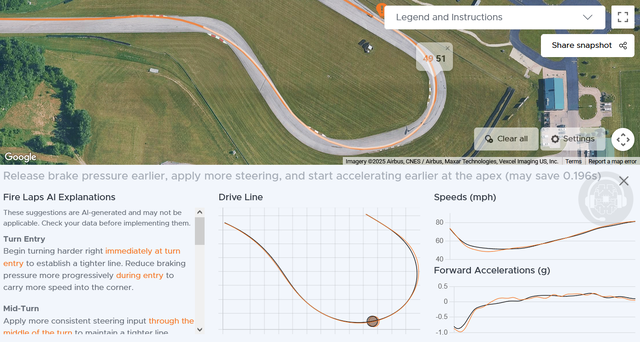
(Fire Laps data gets imported automatically from the Fire Link, offering instant analysis and driving tips.)
“During longer periods of downtime, I like to explore deeper analysis of my times,” he says. “If available, I’ll compare my sectors to that of my competitors and cross reference that with my data to get a better understanding of where to improve.”
This is one area where the extensive Fire Laps database comes in clutch, as the software can offer tips based on racer data you might not otherwise have access to.
Going Faster, Faster
“Data review is absolutely essential for every racer looking to go faster,” Greenfield says. “A few minutes after a race is the best time to [go through data], and having Fire Laps upload straight to its website makes it easier to access that information.”
Remember that the Fire Link allows the data to be automatically updated to the Fire Laps website, meaning post-session analysis of data captured via a Fire Link can be done without transferring any information manually – just pull up the website on your phone and the data (and accompanying tips) will already be there.
Data acquisition exists to add speed to a racing weekend, not complexity, giving you a clear vision of what’s happening, and what needs to happen. To that end, Fire Laps has the ability to put that data in your hands fast, at times when you need it most.
For more information about SCCA partner Fire Laps and its Fire Link data box, head to firelaps.com.