There’s a quote I’m very fond of because it often rings true in the world of racing: “There’s no plan like no plan.”
As we enter the early stages of the 2026 competition season, the question is: Do you have a plan? At face value it may seem like a ridiculous question. You might ask, “What do you mean, do I have a plan? I’m a racer, I plan on racing. Duh!”
What I’m talking about is a plan for success.
Do you have a plan that will afford you time to prep your car, travel to events, and money to pay for all of it? It’s hard to win a championship if you don’t go to enough races. Is your calendar set up so you can avoid conflicts and make all the required events? And most importantly, do you have permission from your significant other to do any of it?
Here are five tips to help you dial in a solid plan for victory this season.
1. Decide Which Series to Run
Between Solo®, RoadRally, RallyCross®, Time Attack, and road racing, SCCA® provides plenty of competition spaces to have #funwithcars while earning points toward a championship. Each of these motorsport styles bring their own types of adrenaline-pumping competition and individual challenges. Some folks play in one arena while many others dabble in many of them, often with the same car (like Club Spec!), so knowing where you’re headed at the beginning of the season will help you dial in the specifics.
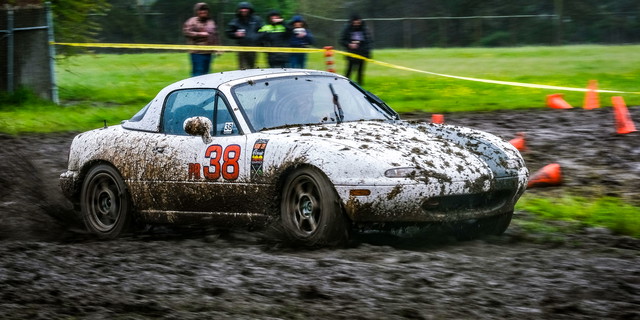
(Caption: There are lots of ways to compete within the SCCA, and one of them is in the dirt (or mud, in the case of the photo above). Plan to wash your car a lot. Photo by Randy Krider.)
The fact is that all Sports Car Club of America™ activities that involve driving obviously involve vehicles – it’s the little details that differentiate them that make a big difference and require you to plan ahead. So, decide where you want to play, and that will help you plan how to setup your car for the best results possible.
2. Read the Rulebook
It’s no secret that there are a lot of rules in motorsport competition. Every year, new rules or clarifications get introduced into the various rulebooks (admittedly I’m to blame for some of its growing length – something I take pride in). All of this is to say that just because you read the rulebook once, that doesn’t mean you never need to read it again.
In most forms of SCCA competition, the rules are updated constantly, so keep an eye on Fastrack News for the latest updates. From there, be sure you download the latest version of the rules before doing anything to your car.
Plain and simple: If you don’t know what’s in the rulebook, you don’t know how to plan to win.
The reality is that the best racers know the rulebook inside and out. The better you know the rulebook, the better you can compete by … er … optimizing your car to the rules. I’m not saying to cheat; I’m saying that in order to win in a highly competitive sport, sometimes you need to be an innovator. And for that, you need to read the rules.
3. Register for Contingency Programs
I hate paying for stuff. Motorsports can be very expensive, so offsetting costs in any way is helpful.
When you’re planning your season, if possible, plan to collect contingency money. SCCA has worked tirelessly to connect with industry partners to help drivers. Every contingency program is different – some pay money while others provide certificates. The cool part about this is you don’t have to go out and hustle to find sponsors – all you have to do is meet the requirements of the contingency program, then reap the rewards.
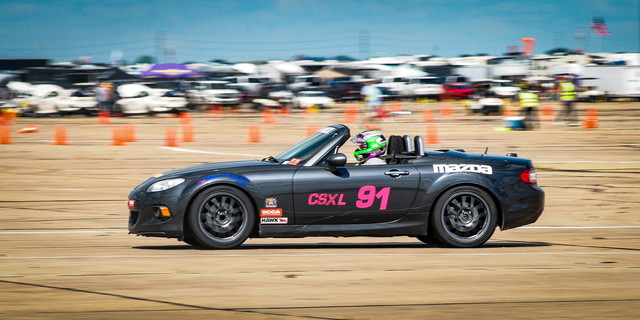
(Caption: Slap the required Mazda decals on your Mazda, finish in the top five at an SCCA Solo National Tour, and collect cash. Yes, real cash! Photo by Will Huxtable.)
Most of SCCA’s contingency programs are for National-level events and won’t always help you with your Regional events. However, knowing the contingencies and understanding the requirements (sticker placement, specific parts utilized, how to redeem, etc.) will help you plan to bring home some savings.
Here are some links to SCCA’s contingency programs:
· Tire Rack SCCA Time Attack Challenge
· RallyCross Divisional Challenge and National Championship
Registration is FREE(!), only takes a few clicks, and often includes free stickers.
Word to the wise: Knowing which contingency programs are available can help you in deciding which parts you may want to use on your car, since some programs require those parts be present in order to win.
And pro tip: Remember to take photos of your car at the event showing all the required decals so you can send it in with the official results to redeem your winnings.
4. Examine the Calendar
You can’t win if you don’t attend the event. That may seem extremely obvious, but balancing motorsports and real life (school, job, spouse, kids, sports, rain gutter cleaning, fantasy football draft) can be extremely challenging. I’ve found that building a competitive vehicle, towing for two days, and competing in the rain are super easy compared to getting my wife and boss to agree that I need to be in Nebraska in September every year.
The calendar is an extremely important part of a competition season – it helps to plan the whole year ahead. If you’re trying to win a Regional championship, you’ll need to attend a minimum number of events to qualify for a trophy (read the rules to know that specific number) which means you need to ensure you can attend all the required events (while making sure you don’t miss any of little Johnny’s soccer games).
Smart people will also plan for time to handle vehicle maintenance during the season.
Look for larger events (Hoosier Super Tours, Solo National Tours, National Championship events) that have contingency programs and consider making the trek to those events to challenge yourself and see how you stack up against the best in the country … and that sometimes means planning on more time for towing or flying.
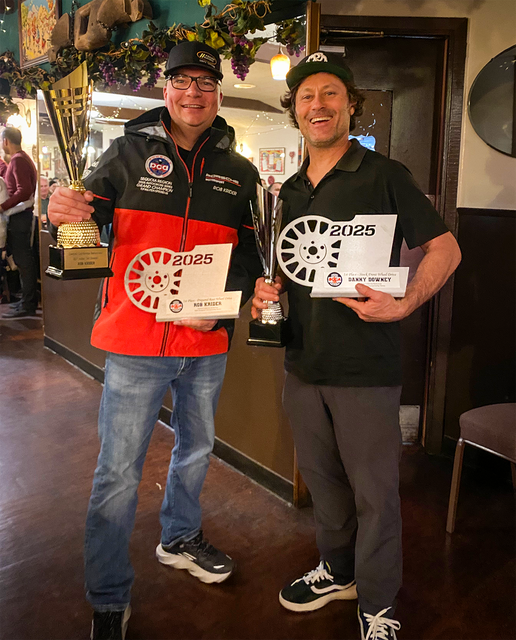
(Caption: Chasing trophies and championships comes down to attending enough events to earn the crucial points needed to win. Planning your calendar at the beginning of the season helps ensure you don’t miss an event. Photo by D’John Keith.)
None of those plans can happen if the calendar doesn’t jibe with your significant other’s plans. Often, us racers can be selfish people (we use every piece of a racetrack) and motorsports is often everything to us, but our families can see racing in a different way. They can see it as an all-encompassing obsession that can take over our good judgment.
The advice here is: Plan your motorsports calendar to ensure everyone is on the same page. Or do what I do: plan on taking your wife on vacation to Mexico after the season is over.
5. Tires
“Tires” is last on this list because, as every racer knows, it all comes down to tires.
And tires change.
Right now, there’s a pretty good tire war going on in the 200 treadwear space, which means last year’s winning tire may not be this year’s hot pick. Manufacturers are always making stickier and faster tires to try and get your business. As you plan for your season, what tire you should use will play an extremely important part in your success. Should you force on a wider tire? Maybe a lower sidewall ratio to reduce your final drive gear ratio to help you squirt out of the corners? Do you want qualifying tires? What tire is legal in your class? What size? Are there contingency programs for that tire? Can you get the tires from Tire Rack in time before the next event? Do you have the means to conduct your own tire test?
There are a lot of things to consider when it comes to tires, but the fact of the matter is this: The only thing between your car and the track surface is tires. In other words, tires are everything, and your decision on which tires to use will play a significant role in your success.
Plan on doing as much research as you can to make the right choice.
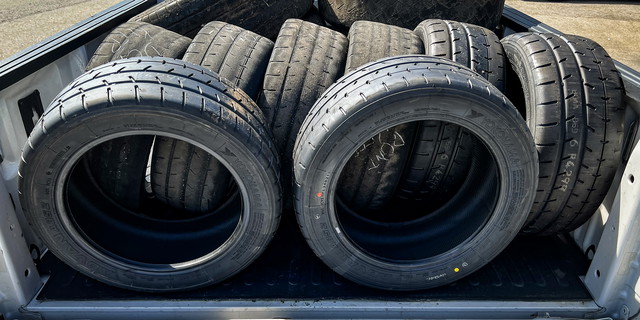
(Caption: Tires, tires, and more tires. You’re going to need them. Plan on spending a lot of time and money on tires. Buying them, mounting them, checking them … and destroying them. Photo by Rob Krider.)
It All Begins with a Plan…
Make your plans for this racing season. And, of course, all plans are subject to change.
That said, start out with a plan, know what series you want to run, read the rulebook(s), register for any available contingency programs, organize your calendar, and dial in your tires; doing these things will absolutely place you ahead of the competition.
So, this season, plan on having a plan. Then go out and win!
(About the author: Rob Krider is a national champion racer, the author of the novel Cadet Blues, and is the host of the Stories and Cocktails podcast.)