The world of amateur motorsports has changed a lot since SCCA® introduced its Road Racing program some 77 years ago. Back then, the Sports Car Club of America™ broke new ground, writing the foundation of motorsports in the U.S. for generations to come. Fast forward to today, and while the Club’s Road Racing program is still robust, it’s not without its challenges – challenges that come in the form of event competition that simply didn’t exist even 10 years ago. To ensure success in the long term, SCCA will be reorganizing its Road Racing leadership committee structure in 2026, allowing for strategic oversight of the program in an ever-changing market.
“The SCCA has long-been the gold standard in amateur racing,” explained SCCA Board of Directors chair Bob Crawford. “This change will allow us to build on that history and continue forward with a renewed vigor.”
In its current form, SCCA’s Road Racing program has three loosely connected entities leading it, with one entity creating rules and classes upon member requests, a second entity conducting events and experiences for members racing cars in those classes, and a third entity responsible for building a business around and marketing what the other two groups are doing. Collaboration between the three occurs, but not in a strategic enough way that is conducive to keeping pace with market competition.
A New Structure
“SCCA Road Racing currently has three distinct leadership entities performing critical functions and services that form the base of the program – Club Racing Board (establishing rules and regulations), Executive Stewards (overseeing event operations and officiating), and SCCA Staff (overseeing business operations and management),” Crawford noted. “Organizationally, each of the three ‘legs of the stool’ reports directly to the SCCA Board of Directors.
“This lack of structural connection, along with the lack of a defined program strategy, frequently has the three entities working independently, and occasionally focused on different things and headed in different directions.”
Moving forward, the Club Racing Board, often referred to as the CRB, will be called the Road Racing Competition Committee (RRCC), and will oversee class rules, management of balance of performance, classifications, errors and omissions, and rules changes. The rule changes from the RRCC, or “Comp Committee,” will continue to require approval from the SCCA Board of Directors.
The Road Racing Steward Committee (RRSC) will continue to have oversight of the operational aspects of the program, events, and specialties.
Being formed in 2026 will be the Road Racing Planning Committee (RRPC). The RRPC will set the strategic framework for the program, including event purpose and type, target markets, program development, and business operations. This committee will be representative of stakeholders within the road racing program, including (but not limited to) drivers, workers, Region leadership, and race organizers, with parallel experience in business and strategic development. The RRPC will be comprised of two SCCA Staff members (including the chair), two members of the SCCA Board of Directors, and a minimum of three at-large members serving a maximum of two three-year terms.
Key in all of this will be oversight of these three committees by the new Road Racing Executive Committee (RREC). Consisting of the heads of the current CRB (car and rule oversight) and Executive Stewards (event operations), plus SCCA Staff (strategy/business operations), the RREC will represent the program to the SCCA Board of Directors and will serve as the Program Board for Road Racing.
Put another way, this change essentially moves SCCA’s Road Racing committees from operating in individual swim lanes to a structure that more closely resembles a Venn diagram; the RREC will become the overlapping intersection of the RRCC, RRSC, and RRPC.
What This Means
The new structure elevates the importance of long-term strategy in SCCA’s Road Racing program, allowing the Club to offer products that are desired within the motorsports market while maintaining the class parity along with smooth and safe event operations that the SCCA is known for.
“Despite the best of intentions from everyone involved, SCCA’s Road Racing program has been somewhat flying without a strategic flight plan” Crawford noted. “The new plan clearly identifies the parties responsible for developing and managing the strategic plan, while also creating a collaborative leadership team representing the three legs of the program: strategy/business operations; car and rule oversight; and event operations and leadership. The Road Racing Executive Committee will ultimately be responsible for the program, from business plan development to executing the events.”
Next Steps
Work is under way to update the SCCA Operations Manual and General Competition Rules to reflect the structural revisions.
The Road Racing Planning Committee will be formed in the first quarter of 2026.
After selections are made by the SCCA Board of Directors, the RRPC will work together to develop a Road Racing strategic plan that will be delivered to the SCCA Board of Directors by year’s end.
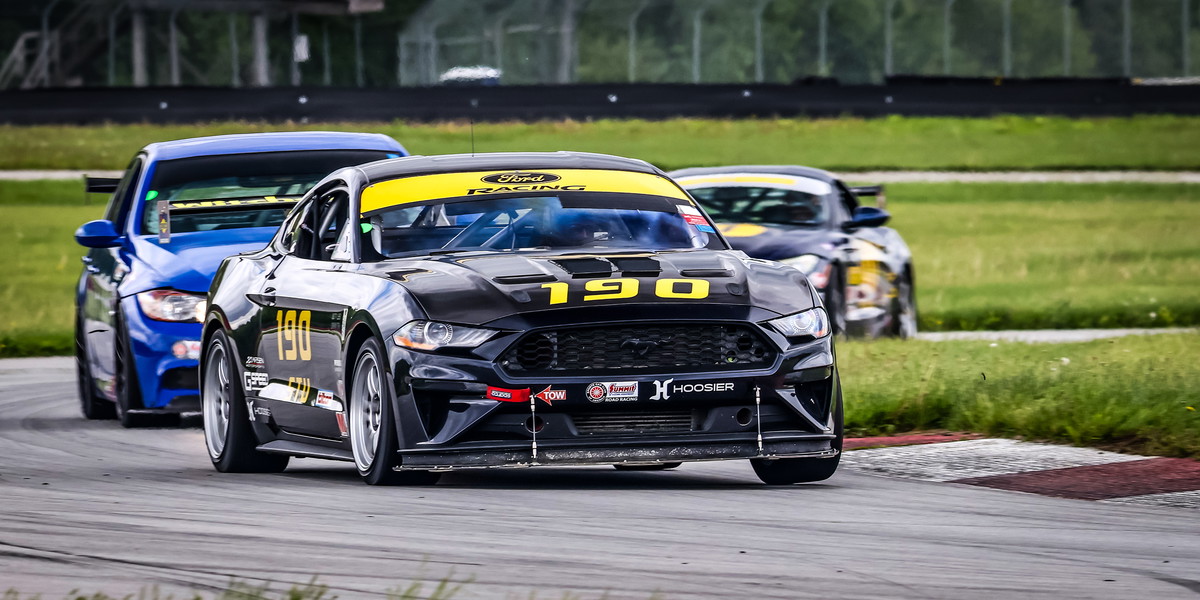
Photo by Jeff Loewe